Wildlife Rehabilitation
Nala's Nook Squirrel & Corvid Sanctuary
I run my own licensed wildlife sanctuary, caring for grey squirrels and corvids (birds from the crow family) who can't be released back to the wild. Some arrive as orphaned infants needing round-the-clock care. Others come with injuries or disabilities that heal, but cause permanent disability meaning that this is their home for life. Some have come in so young they have only ever known human care.
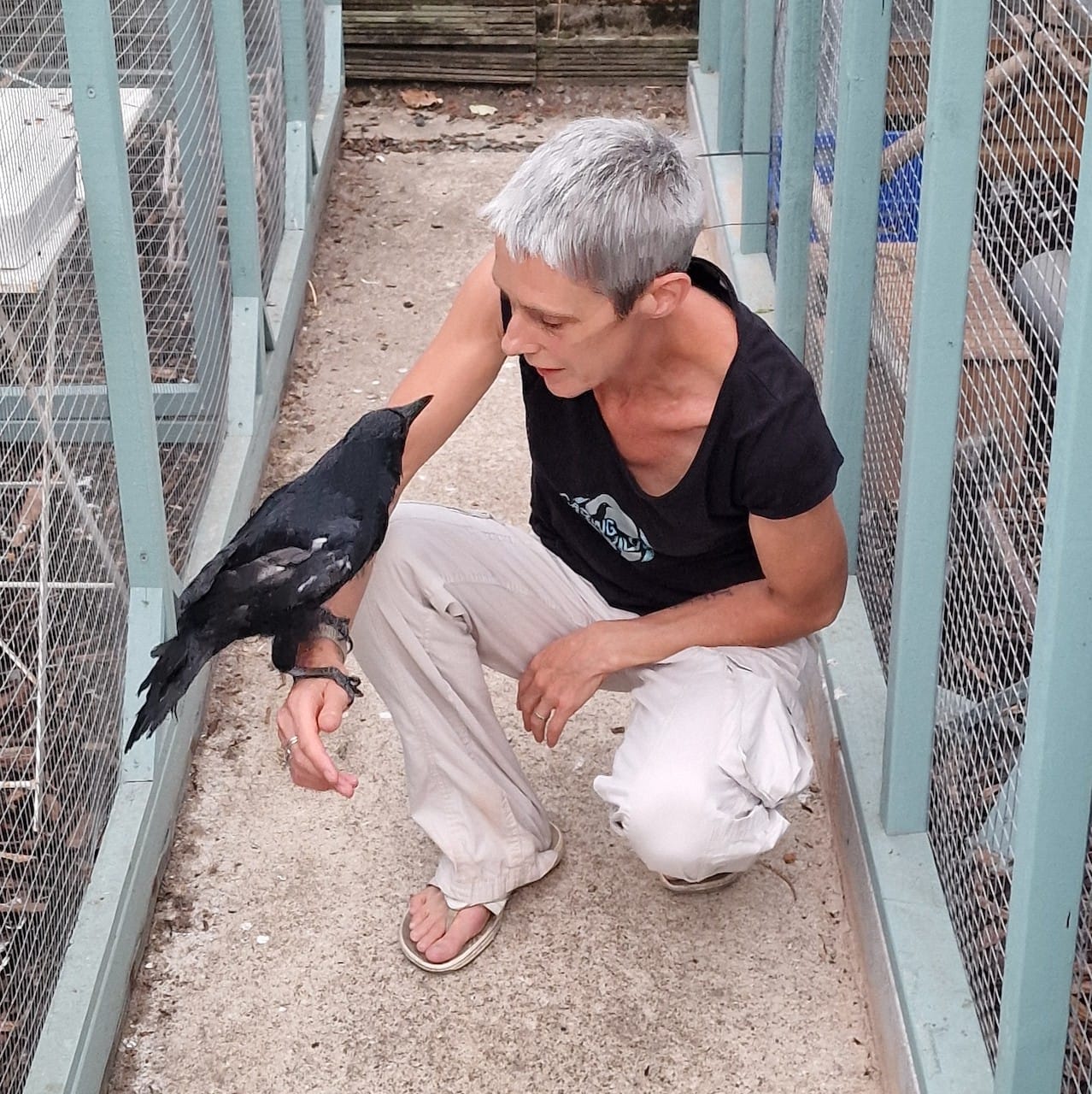
Release is always the first goal of wildlife rehabilitation, and rightly so. But it isn't always possible, whether because of a permanent disability or, in the case of grey squirrels, the law. It is both my belief and my lived experience that, contrary to formal guidance, many individuals from these species can have a good quality of life in captivity, and that this is a better outcome than ending their life. What's vital is that their individual needs, challenges, and personality are sufficiently understood, in addition to those of their species, so that appropriate care can be tailored for them. Nala's Nook exists to give the best "plan B" I can to a small number of species I know well: grey squirrels, for whom I hold a licence, and the corvid family. Every resident has been formally assessed as healthy enough to live out their life this way.
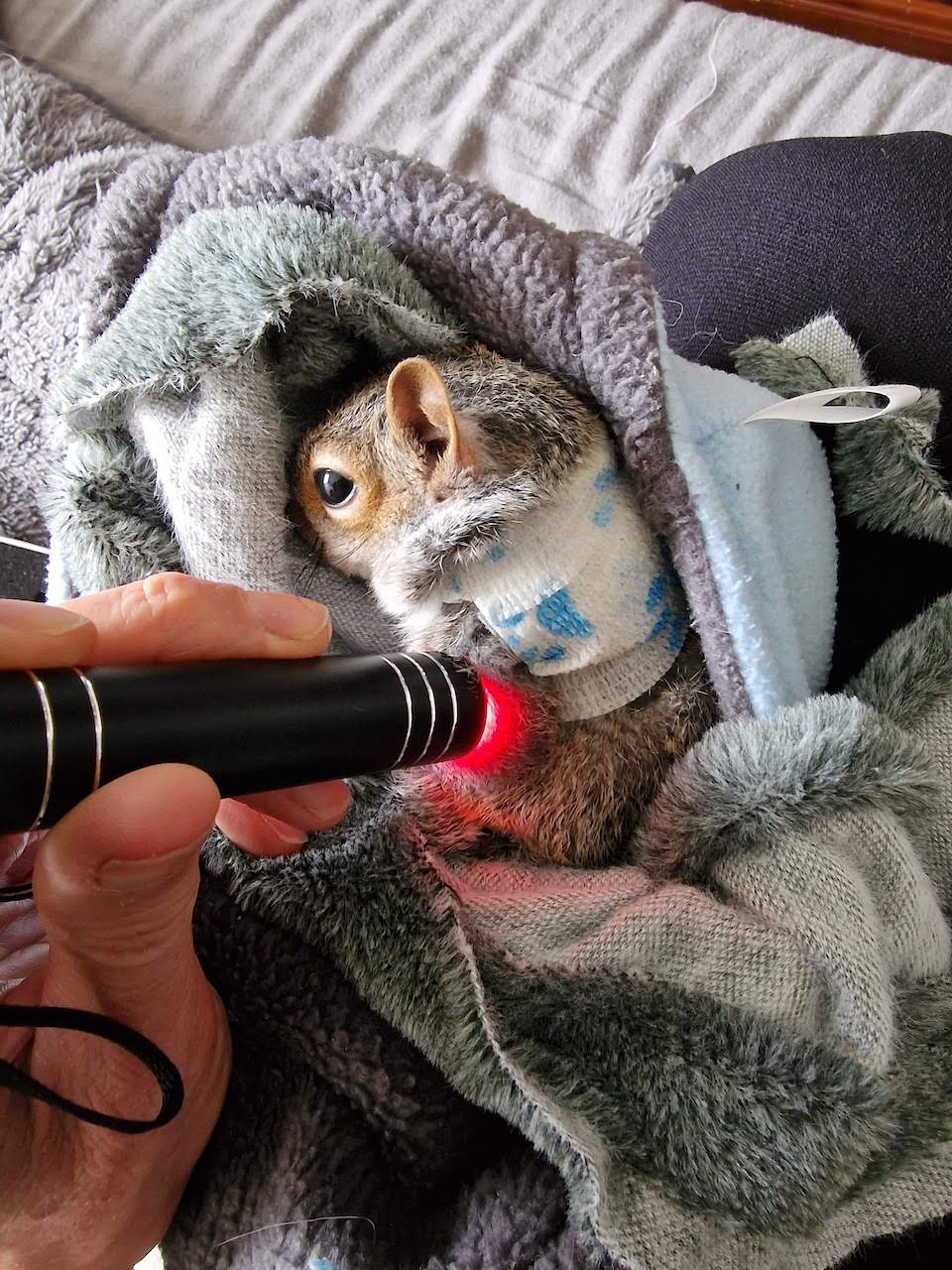
Care here extends well beyond meeting the residents' basic physical needs. Safety, nutrition, and veterinary care are essential, of course. I also use physiotherapy-based techniques, including machine treatments and therapeutic exercise, to support their healing. But to thrive, they need more than recovery. Healing also means trust, adjustment, and working out what a good life looks like for each individual. A core part of this is their relationship with me as their guardian and caregiver. And, sometimes, their only kin.
These relationships are not one-way, either. Alongside the reward of helping them recover, they teach me as much as I have ever learned from my fellow humans, and more.
Nala's story
Nala is the reason Nala's Nook exists at all. I began fostering her, and quickly ran into two problems: I needed a licence to keep a grey squirrel legally, and Nala herself was disabled, with maloccluded teeth that would need trimming for the rest of her life. Getting support was harder than it should have been. I approached nine vets before I found one willing to help. The others turned me away, explicitly, because Nala was disabled and because she was a grey squirrel. This was during COVID lockdown, when inspection delays meant I was working from Natural England's formal written permission rather than the full licence itself, since there was no way to get the paperwork completed any faster. That experience, of having to fight for a disabled grey squirrel to be taken seriously, stayed with me. When Bella arrived a year later with her own permanent disability, I already understood the challenges I was up against. Bella's story is continued on my research page.
Background
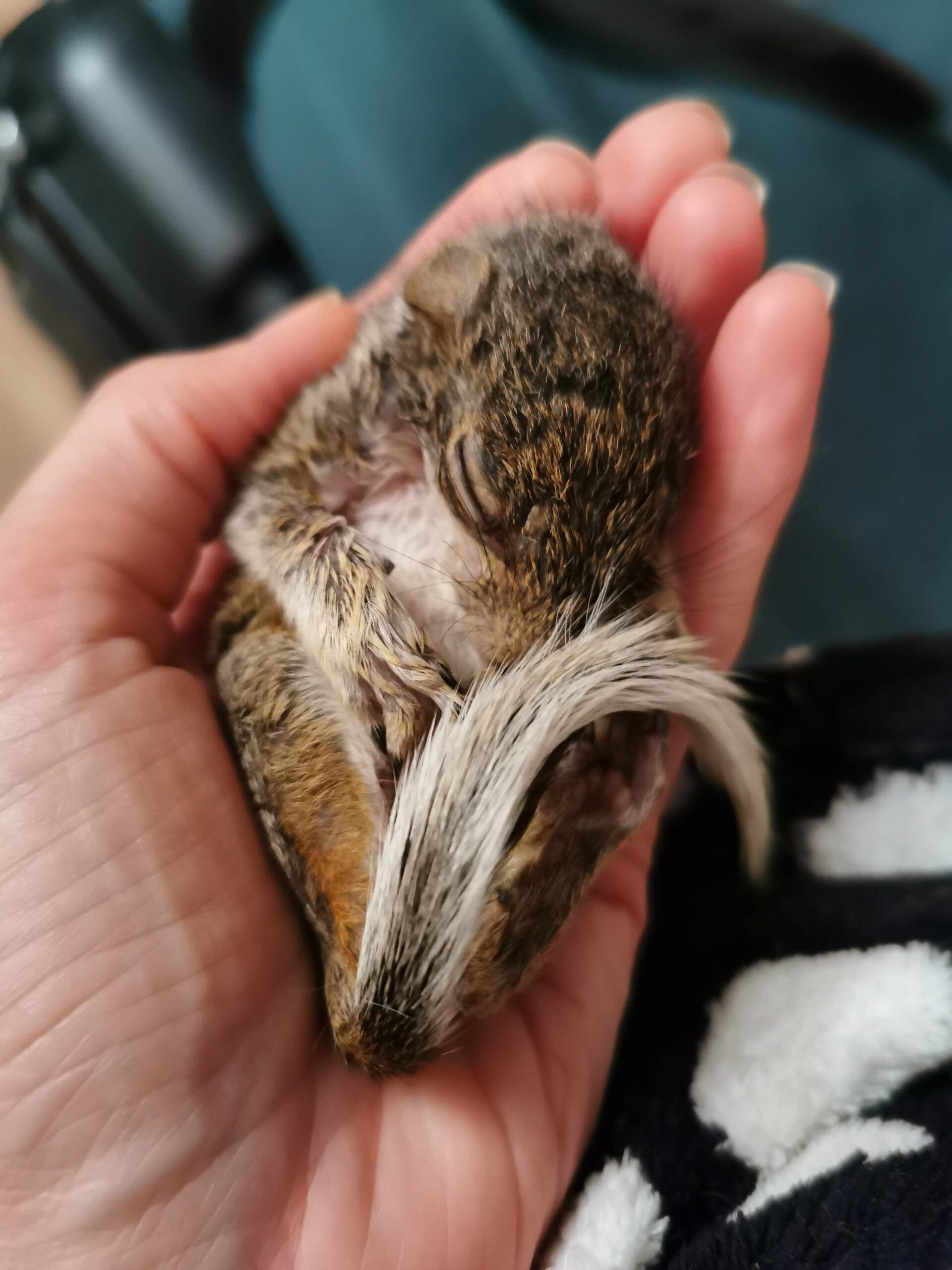
Nala's Nook is the latest chapter, not the first. Animal rehabilitation has run through my life in many forms long before I had a sanctuary of my own, driven by an enduring passion, and a commitment to help those animals within my reach and capability.
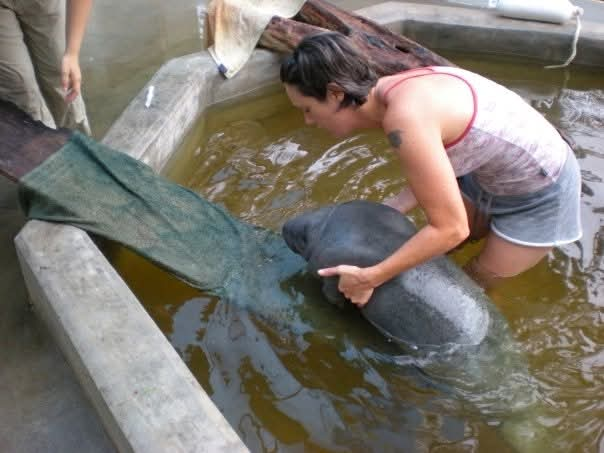
Long before Nala's Nook, I helped hand-rear an orphaned wolf pup in Bulgaria and an orphaned manatee in Belize, supported seal rescue and release in Northern Ireland, fostered for wildlife rescue organisations across the UK, and worked at an equine rescue centre. That hands-on foundation, built over many years, underpins the sanctuary as it exists today.
Working with others
I am supported by several specialist veterinarians and under the mentorship of PJ Garner in the USA, who has decades of experience with a range of wild animals and a particular focus on the Sciuridae (squirrel) family. Good and appropriate care for these animals isn't something you learn from a textbook alone.
In the press
Nala's Nook has featured twice in the regional press. Hull Live covered Grace's rescue after she was dropped into a garden by a crow, and her ongoing recovery from a broken leg and bruised spine. As I told the paper, animals "get put to sleep too easily" when they're disabled but otherwise healthy.
The Sunday Post profiled the sanctuary in more depth, including how care here is tailored to the individual: some residents need daily hands-on help, others are approached only in full PPE and given the space they need instead. As I said there, my choice, wherever possible, is to "give them life over death."
"Hate the problem, not the squirrels."
Read the coverage: Hull Live, Jan 2022| The Sunday Post, Nov 2025 | Hull Live, Jun 2026
Follow us
For more on the animals, their stories, and day-to-day life at Nala's Nook, you can follow us on Facebook.