About Me
A career built on animals, even when it didn't look like it
I've loved animals for as long as I can remember. My first job, at sixteen, was in a pet shop. My school work experience placement was at a veterinary practice. But life took me in a different direction for a long time. I served as an army officer, specialised in learning and development, trained as a psychologist, held corporate leadership roles, and later worked as an independent consultant.
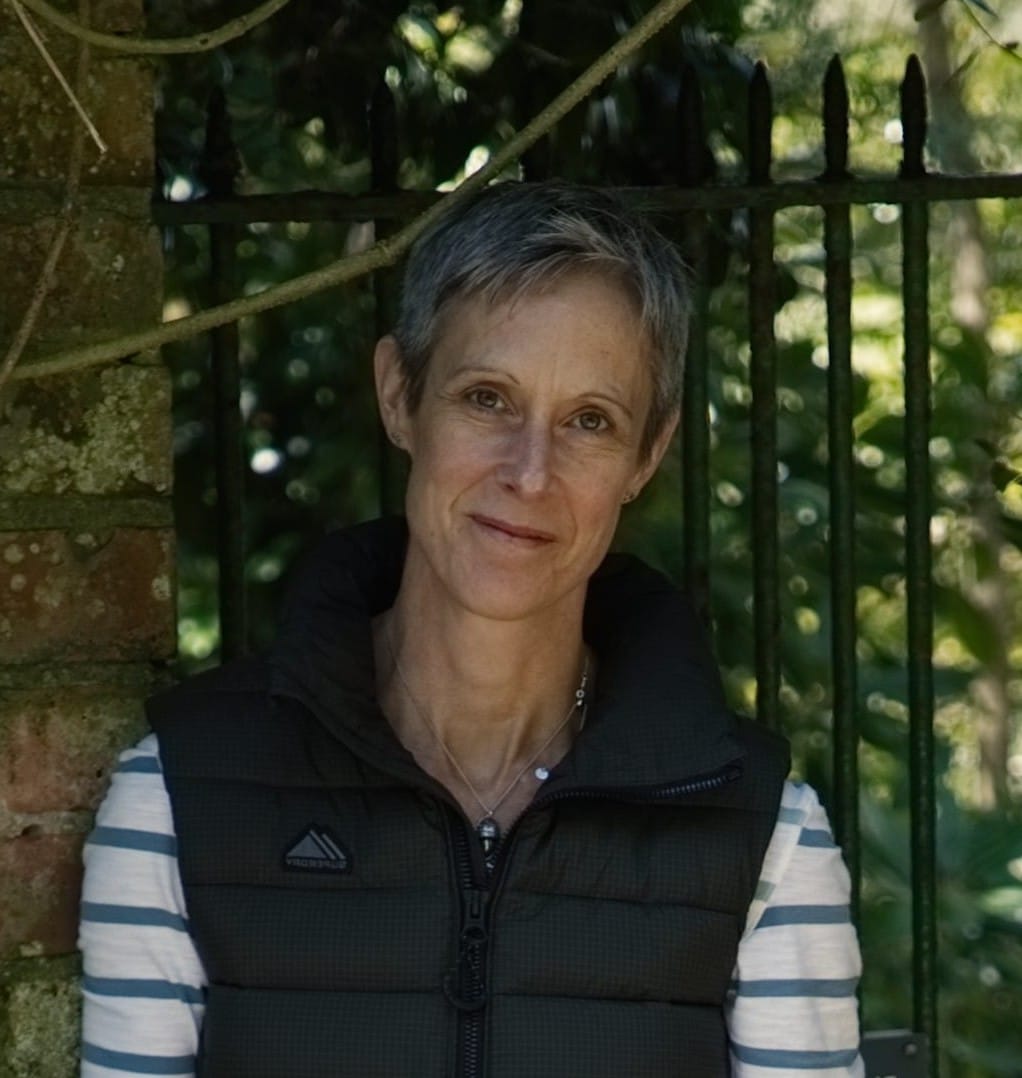
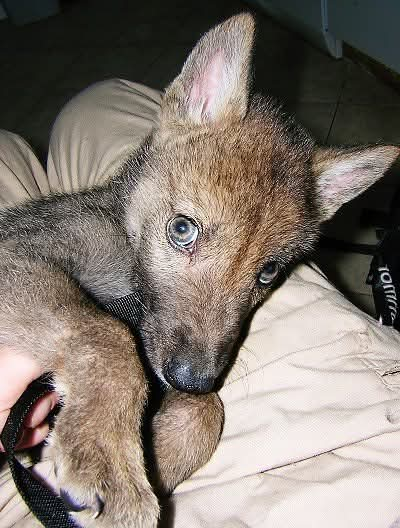
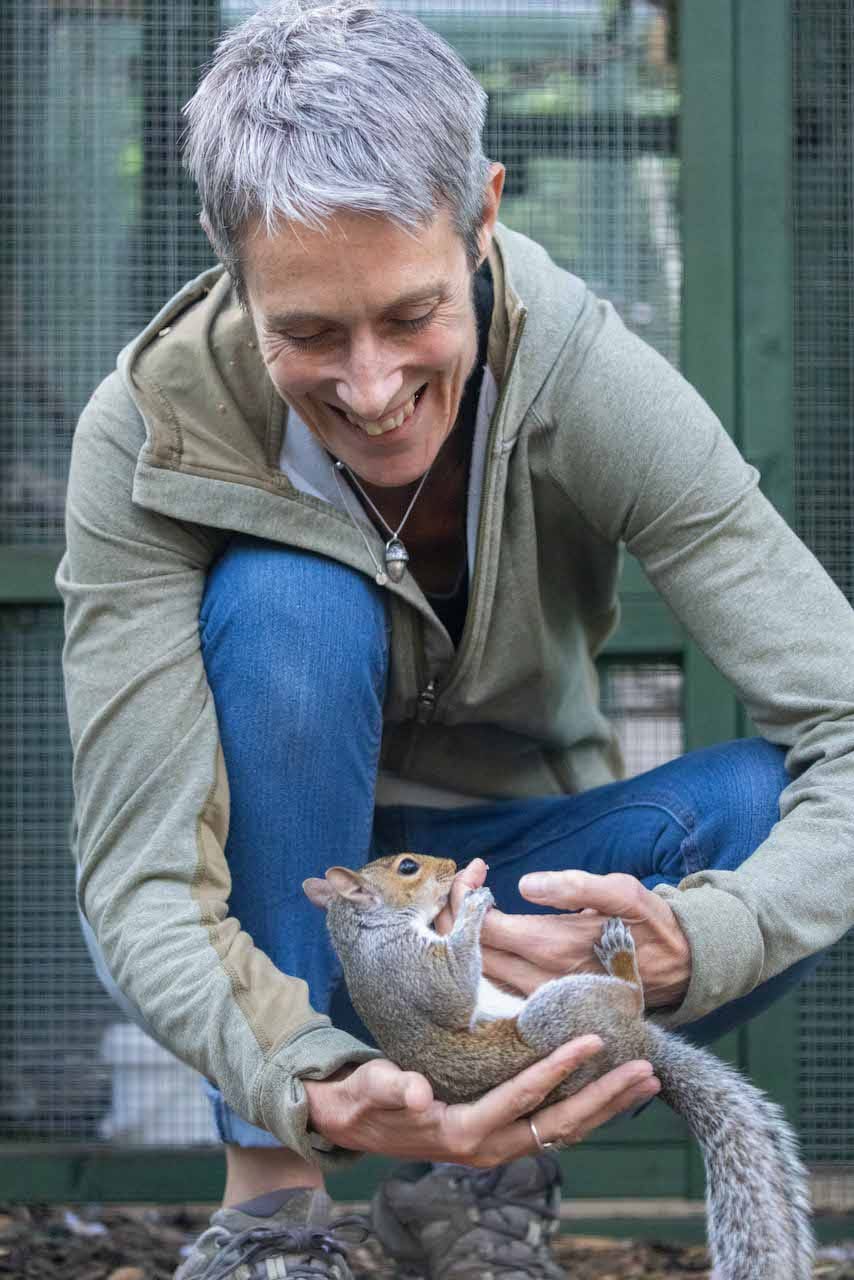
Throughout all of it, animals never stopped being part of my life. In my own time, I've helped hand-rear an orphaned wolf pup in Bulgaria and an orphaned manatee in Belize, supported seal rescue and release in Northern Ireland, fostered for wildlife rescue organisations across the UK, worked at an equine rescue centre, raised two abandoned kittens, and eventually set up my own licensed wildlife sanctuary from home. That hands-on foundation, built over many years, underpins everything I do now, including my formal training as a physiotherapist and my current PhD research into wildlife rehabilitation and care.
Why psychology matters here too
Alongside all this, I have spent years as a psychologist specialising in the psychology of risk, resilience, and trauma support. I still work as a consultant in human health and wellbeing, separately from Artio.
But that background shapes how I work with animals too. Recovery is never purely physical. Fear, learned helplessness, trust, and confidence all shape how an animal, and the person caring for them, experiences rehabilitation. I bring a trauma-informed, resilience-focused approach to every case, whether that's a squirrel who just lost their mum, a nervous rescue dog, or a family cat adjusting to arthritis. Relationship is always at the heart of healing.
Understanding from the inside
I live with a connective tissue disorder myself. It's given me a first-hand understanding of what it feels like when your own body doesn't move or support you the way you expect it to: the frustration, the adaptation, the small victories. I've been through two sets of surgery, including spinal neurosurgery, and had to undergo extensive rehabilitation of my own. I don't assume, of course, that every animal experiences pain or disability the way I do. What I do know is that this lived experience has deepened my empathy and solidarity, and my attentiveness and attunement to the subtle signs of discomfort that are easy to miss.
Qualifications & experience
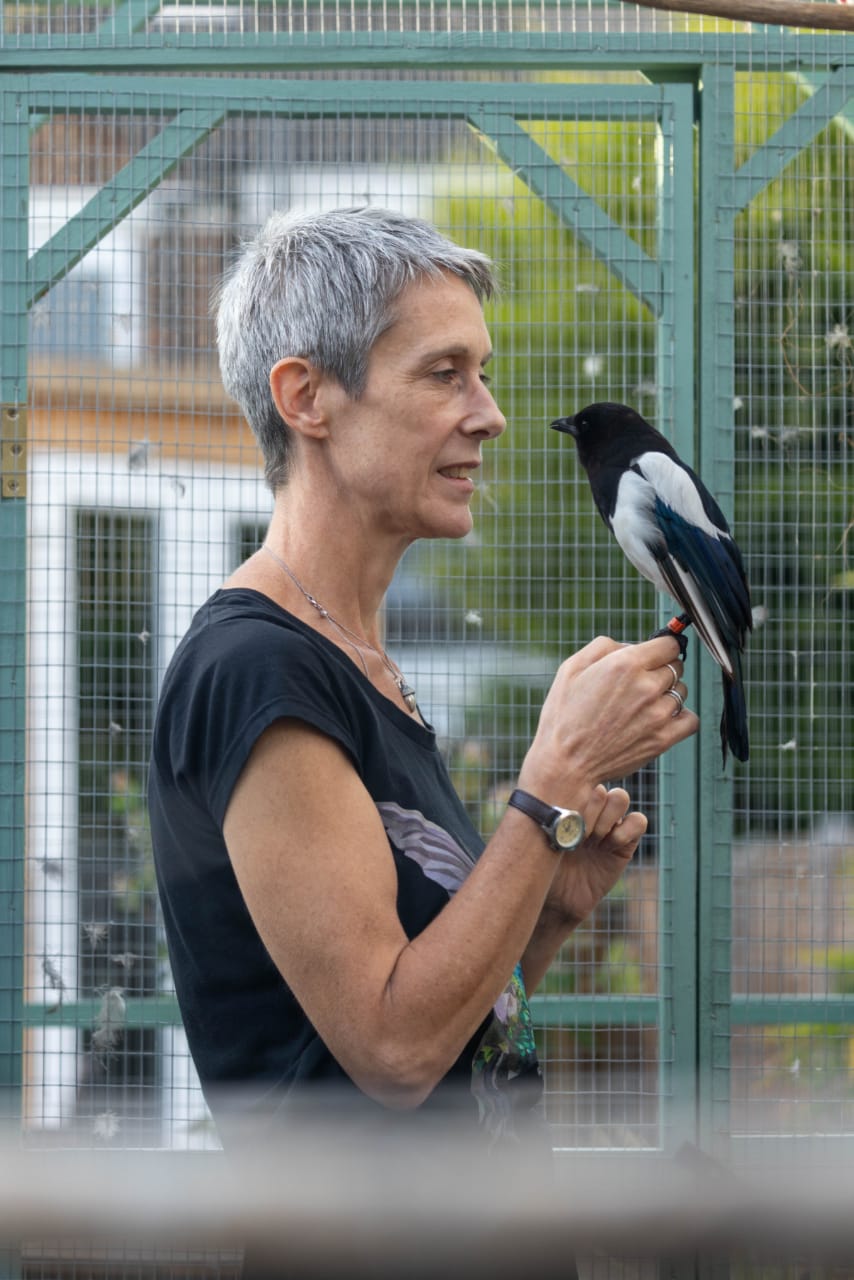
Licensed Wildlife Sanctuary Owner, Nala's Nook Squirrel & Corvid Sanctuary
PhD Candidate, Anthrozoology (in progress), The Open University: human-animal relationships in wildlife rehabilitation and care
CPD Course, Wildlife Rescue, Rehabilitation & Release, Secret World Wildlife Rescue
CPD Course, Animal Behaviour & Welfare, University of Edinburgh
CPD Course, Living Psychology: Animal Minds, The Open University (OpenLearn)
Trainee Animal Physiotherapist (in progress), Animal Physiotherapy Diploma (Level 6 equivalent), The College of Animal Physiotherapy
PhD, Health, Social & Environmental Psychology, The University of Sheffield
Chartered Member and Associate Fellow, British Psychological Society
The Story Behind the Name: Why Artio?
My work spans several different areas of animal rehabilitation: I run a wild animal sanctuary, I research the complex relationships we form with the animals in our care, I provide educational services, and I will soon practise as an animal physiotherapist. I wanted a name that could hold those strands together without oversimplifying what I do.
I’ve always been drawn to the figure of Artio as the Celtic bear goddess of wildlife, guardianship, transformation, regeneration, and knowledge shared. I even chose her as my very first trading name, as a psychologist and consultant in human health and wellbeing many years ago.
To some a goddess of the wild might seem distant from the clinical reality of animal rehabilitation. But for me, the connection is immediate. My work is rooted in a care-ethical approach; it’s about understanding the individual, their specific needs, and their capacity to adapt whether they’re recovering from trauma and injury, managing a permanent disability, or navigating life in captivity.
Physiotherapy, too, is a transformative process. It relies on the relationship I build with the animal, observing how they use their body, and helping them find their own way back to strength and function.
In my research I explore how we treat wildness and how we decide which lives are worth saving. Artio represents this wider context of care in our culture not just in my own practice. She stands for the wild, for the potential for change, and for the responsibility we have when we take the role of guardian to the individuals we choose to care for.
My practice is about doing the messy work, asking the difficult questions, and staying focused on honouring each individual animal. Artio serves as a reminder of why I started doing this, and the regenerative potential that exists when we build relationships with attention and integrity whether in the sanctuary, the clinic, or the classroom.
Collaborations